



FAQs
How much enamel is removed during a laminated veneer procedure?
During a laminated veneer procedure, only a very thin layer of enamel—usually between 0.1 to 0.3 millimeters—is removed. This minimal reduction preserves most of the tooth’s natural structure while creating space for the veneer to fit seamlessly. The goal is to maintain tooth health while achieving the desired aesthetic improvement without unnecessary drilling.
How do laminated veneers achieve a natural tooth appearance?
Laminated veneers mimic the translucency, color depth, and light reflection of natural enamel, which allows them to blend harmoniously with the surrounding teeth. Their thin porcelain structure is layered to recreate lifelike optical qualities. When crafted with precise customization, they offer a natural, radiant appearance that enhances the smile without looking artificial.
Do tea, coffee, or smoking affect laminated veneers?
Laminated veneers are highly stain-resistant because of their smooth porcelain surface, which does not easily absorb pigments. However, excessive consumption of tea, coffee, or tobacco can cause discoloration around the edges or affect the natural teeth adjacent to the veneers. Maintaining good hygiene and reducing these habits helps preserve ideal esthetics.
How many appointments are needed for veneer treatment?
Veneer treatment typically requires two to three appointments. The first appointment includes assessment, planning, and tooth preparation. The second visit involves trying in the veneers and completing adjustments. The final appointment is for bonding and polishing. In certain advanced digital systems, this process may be completed faster depending on clinical needs.
Is tooth sensitivity normal after getting laminated veneers?
Mild sensitivity, especially to cold or pressure, is common after veneer placement due to enamel reduction and bonding procedures. This sensitivity usually subsides within a few days to weeks as the tooth adapts. Using desensitizing toothpaste and following the dentist’s aftercare instructions helps speed up recovery.
How resistant are laminated veneers to wear or fractures?
Laminated veneers are strong and durable when properly designed and bonded. They withstand normal chewing forces very well, but habits like nail biting, teeth grinding, or biting on hard objects can increase the risk of chipping. With proper care and protection, veneers can last many years while maintaining their structural integrity.
Who is not a suitable candidate for laminated veneers?
Individuals with severe tooth decay, inadequate enamel, active gum disease, or significant teeth grinding may not be suitable candidates. Excessive misalignment or poor oral hygiene can also limit eligibility. A detailed clinical examination is essential to determine whether veneers are the healthiest and most effective option.
What is the difference between porcelain veneers and laminated veneers?
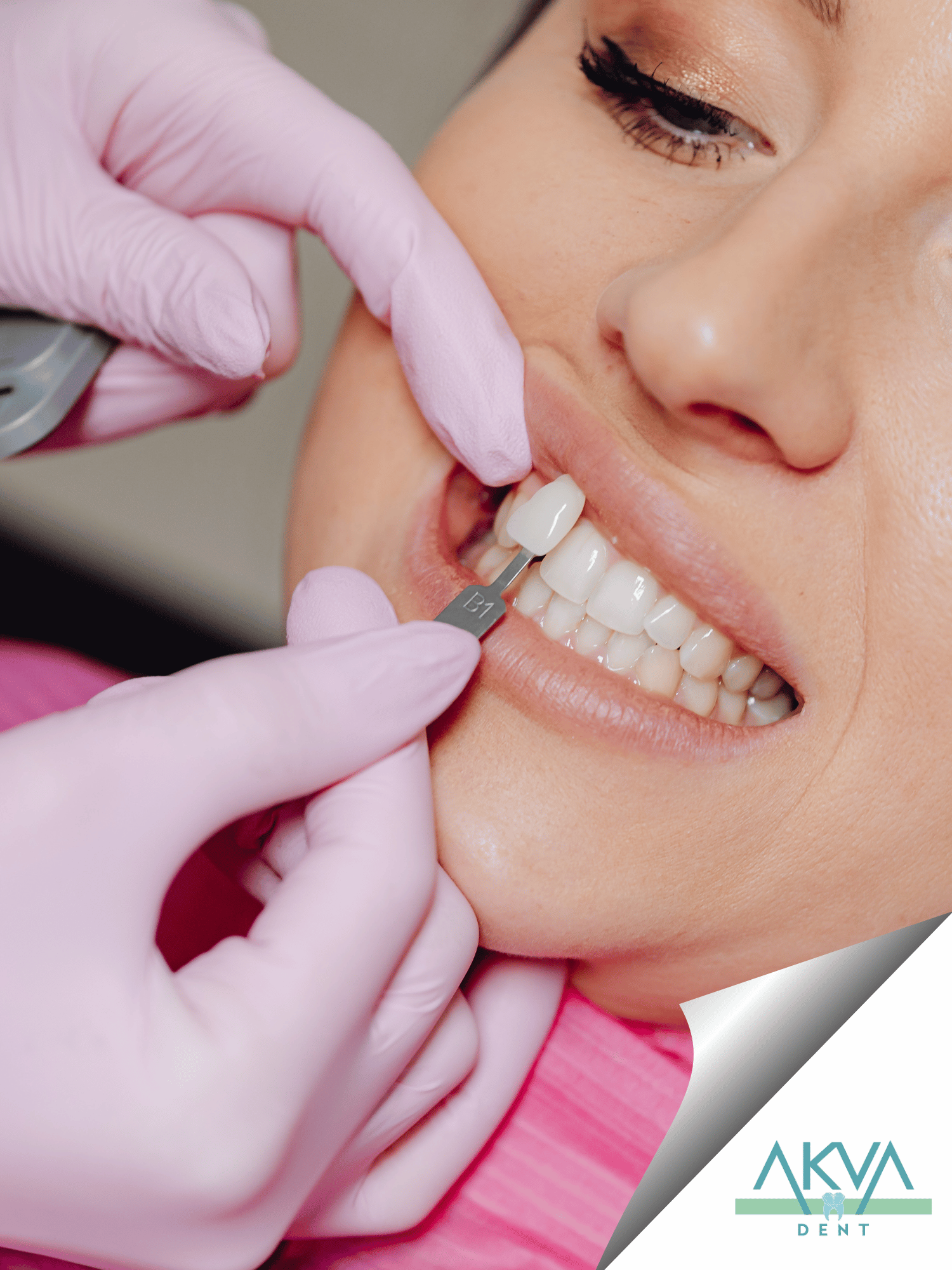
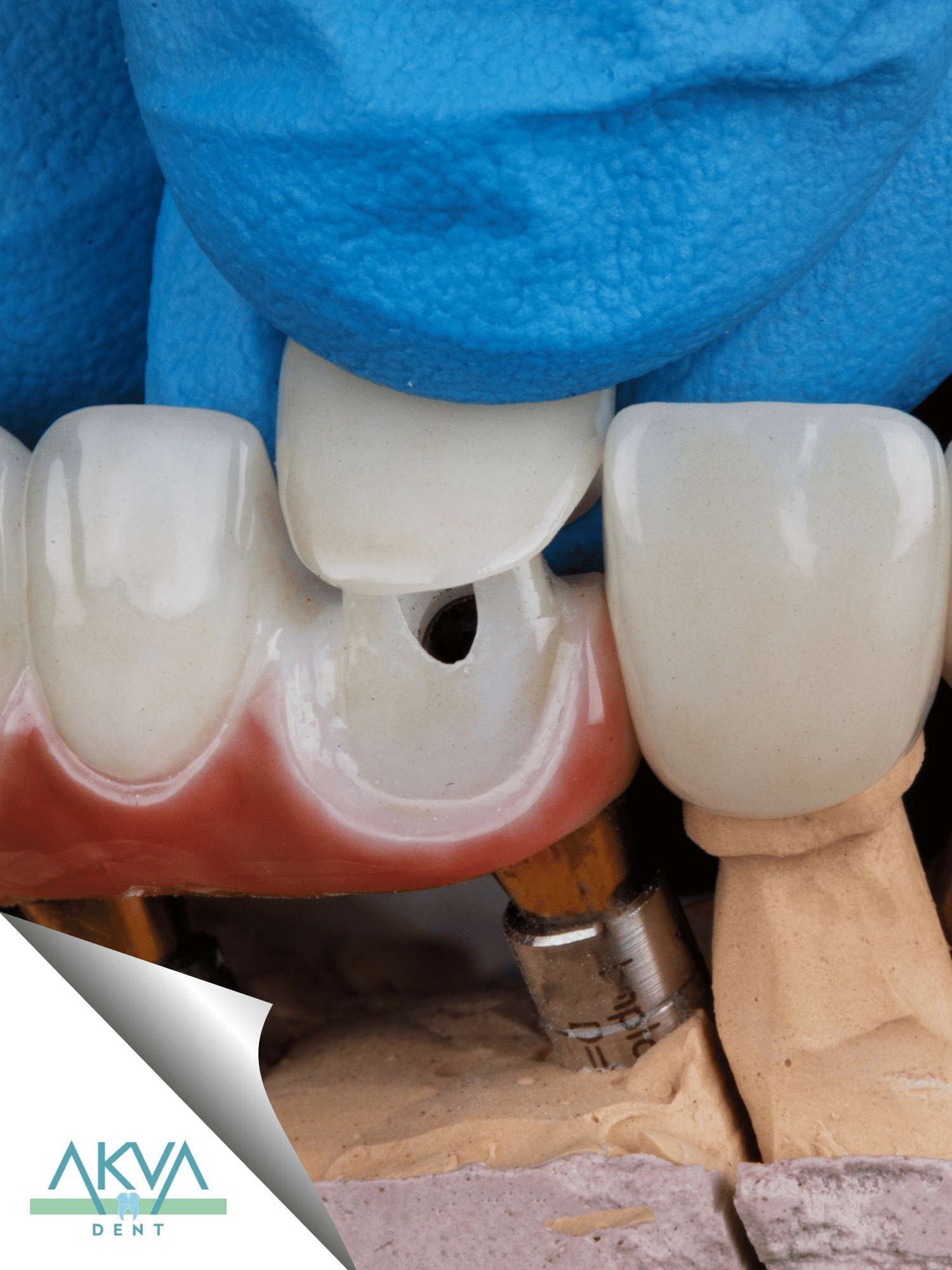
Both options enhance the smile, but porcelain veneers are often slightly thicker and may require more enamel reduction, while laminated veneers are thinner and more conservative. Porcelain veneers are preferred for more extensive corrections, whereas laminated veneers offer a minimally invasive, aesthetic solution for milder concerns.
How resistant are porcelain veneers to staining?
Porcelain veneers are highly resistant to staining due to their dense, glazed surface, which prevents discoloration from coffee, tea, wine, or tobacco. With proper care, their color stability remains excellent for years. However, staining can still occur on natural teeth around them, so overall hygiene remains essential.
What is the proper care routine for porcelain veneers?
Care includes brushing twice daily, flossing, avoiding extremely hard foods, and attending regular dental check-ups. Non-abrasive toothpaste and good oral hygiene help maintain the veneers and surrounding gums. Wearing a night guard may be recommended for those who clench or grind their teeth.
How do gums adapt to porcelain veneers after treatment?
Gums typically adapt well to porcelain veneers when they are precisely designed and fitted. After initial mild inflammation, the gum tissue naturally conforms to the veneer’s contour. Proper hygiene helps ensure healthy adaptation and prevents irritation or inflammation.
Can a damaged porcelain veneer be repaired?
Minor chips can sometimes be smoothed or repaired with composite material, but significant fractures usually require replacement. Veneers are durable, but accidents or biting hard objects may cause damage. Early assessment ensures the best repair outcome.
Can veneers affect speech or chewing initially?
Some patients experience slight speech changes—especially with “s” or “t” sounds—during the adaptation period. Chewing may also feel different temporarily. These effects usually resolve within days as the mouth adjusts to the new shape and size of the veneers.
Which dental concerns can porcelain veneers correct?
Porcelain veneers effectively address discoloration, gaps, mild misalignment, worn edges, and shape irregularities. They offer a long-lasting aesthetic improvement for patients seeking a uniform and attractive smile.
Can dental implants be rejected by the body?
True implant “rejection” is rare because implants are made from biocompatible materials such as titanium. However, improper healing or infection can lead to implant failure. Maintaining good hygiene and following professional instructions reduces the risk and ensures long-term stability.
Do dental implants feel like natural teeth?
Yes, implants mimic the function and feel of natural teeth because they integrate directly with the jawbone. Once healed, patients often forget which tooth is the implant due to its stability and natural sensation while chewing.
Does implant placement cause pain?
The procedure is performed under local anesthesia, ensuring minimal discomfort. Post-operative soreness is normal and usually manageable with mild pain relief. Most patients describe the process as easier than anticipated.
What should be considered in implant aftercare?
Aftercare includes maintaining excellent oral hygiene, avoiding smoking, following dietary restrictions, and attending follow-up appointments. Proper care supports healing and prevents complications such as infection or implant mobility.
How does smoking affect implant treatment?
Smoking impairs blood circulation and delays healing, increasing the risk of implant failure, infection, and bone loss. Smokers are encouraged to reduce or stop smoking before and after treatment to improve long-term success.
Can implants be placed immediately after tooth extraction?
Yes, in suitable cases implants can be placed immediately after extraction. This depends on bone quality, infection presence, and overall oral health. Immediate placement helps preserve bone structure and reduces treatment time.
When is sinus lifting required for implant placement?
Sinus lifting is recommended when the upper jaw lacks sufficient bone height to support implants. The procedure creates additional bone volume, enabling secure and durable implant placement in the posterior upper jaw.
How do gum diseases lead to tooth loss?
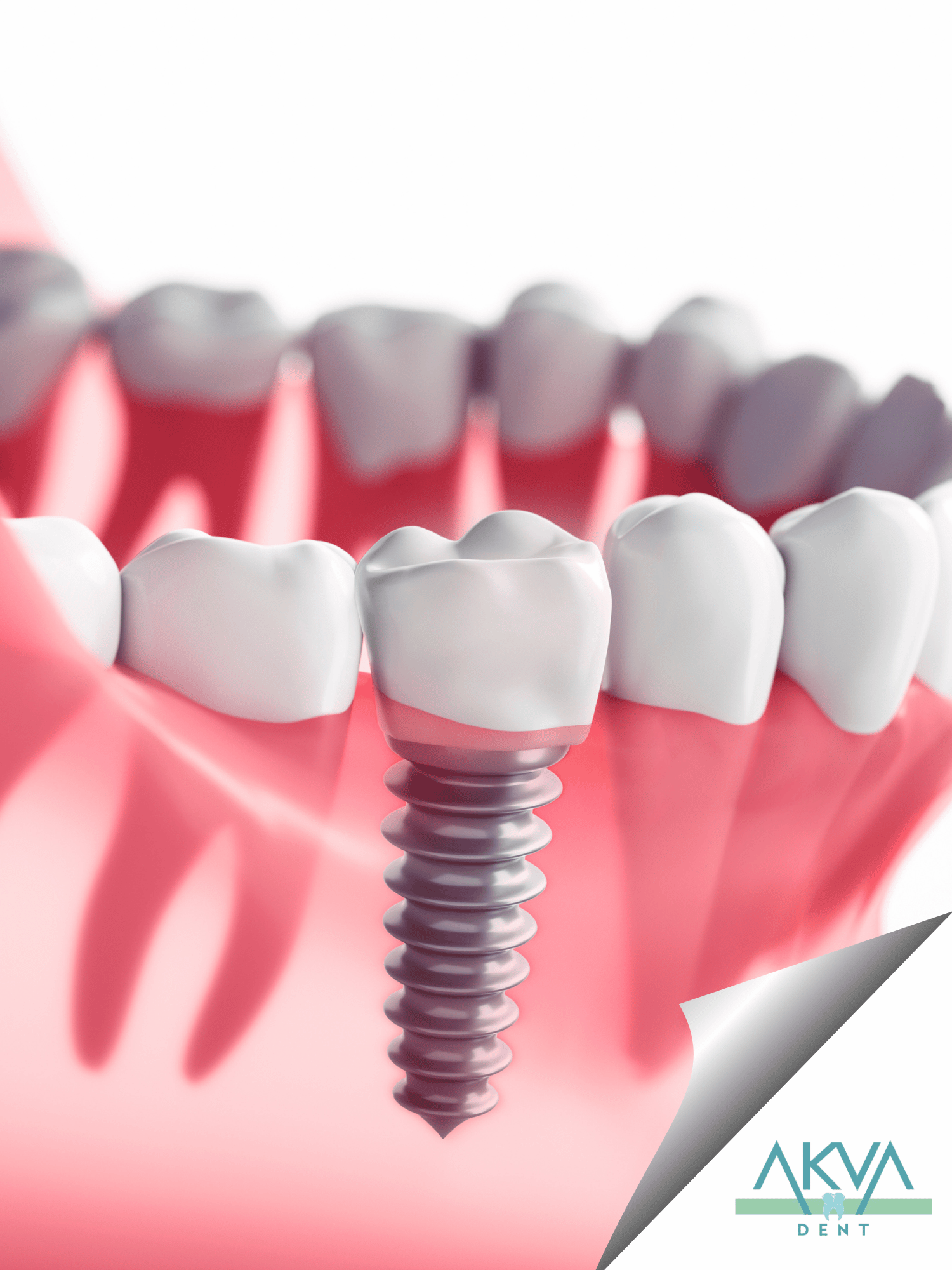
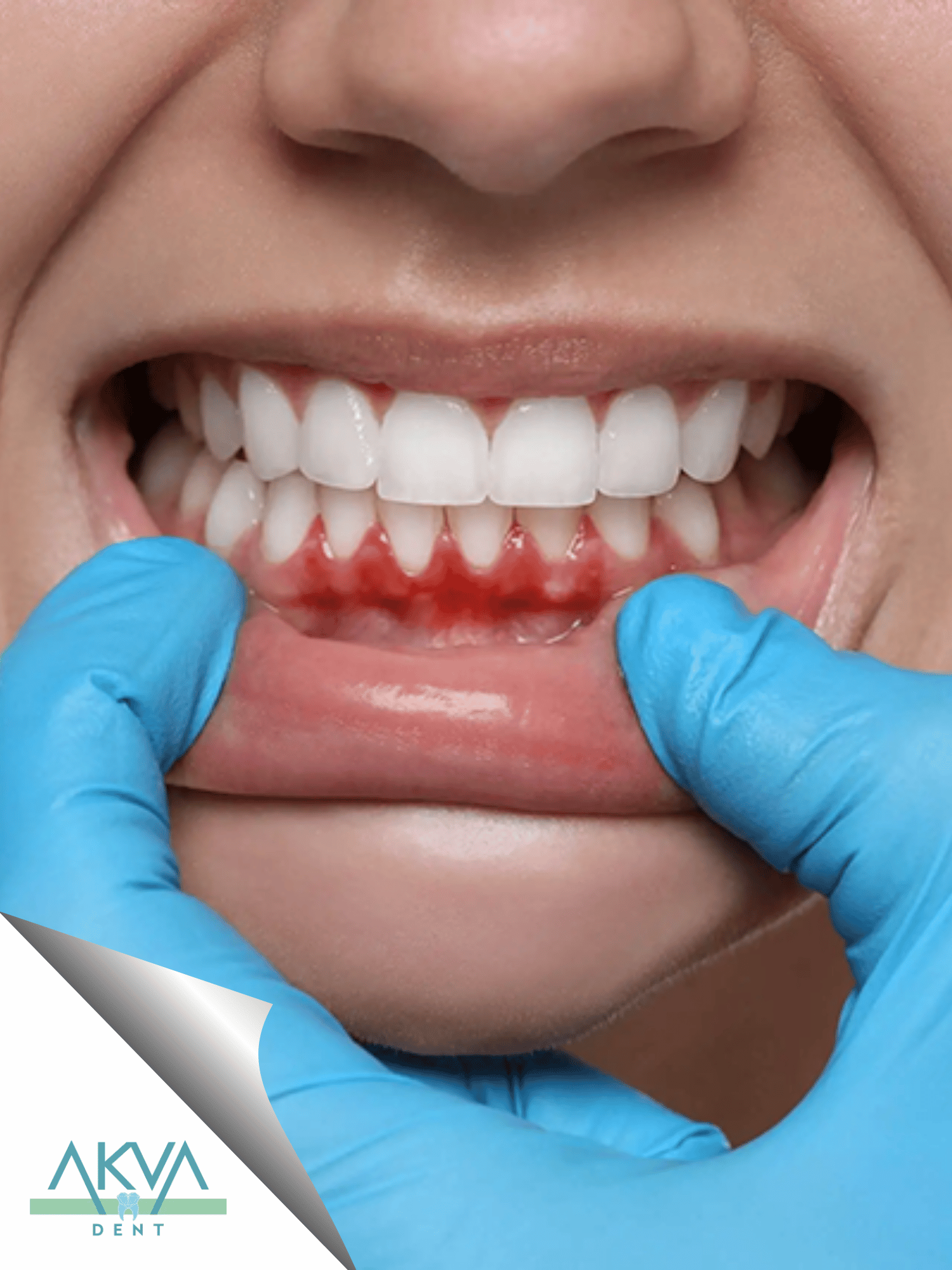
Gum disease causes inflammation and gradual destruction of the bone and tissues supporting the teeth. Over time, this results in loosened teeth and eventual tooth loss if left untreated. Early diagnosis and periodontal therapy help prevent progression.
Is gum bleeding always a sign of gum disease?
Gum bleeding is often associated with gingivitis but may also result from aggressive brushing or hormonal changes. Persistent bleeding, however, is typically an early sign of gum disease and should be evaluated by a dental professional.
Does scaling and root planing damage the teeth?
No, scaling and root planing do not damage healthy tooth structure. The procedure removes harmful plaque, tartar, and bacteria from below the gumline. It is a safe and essential treatment for controlling periodontal disease.
What happens if periodontitis is left untreated?
Untreated periodontitis leads to gum recession, bone loss, tooth mobility, chronic infection, and eventually tooth loss. It may also contribute to systemic conditions such as diabetes and cardiovascular disease.
Can gum recession heal on its own?
Gum recession cannot naturally reverse, but its progression can be halted with professional care and improved hygiene. In advanced cases, gum grafting procedures can restore lost tissue and protect the roots.
Is bad breath related to gum disease?
Yes, advanced gum disease often causes persistent bad breath due to accumulated bacteria and inflammation. Treating the underlying periodontal issue is essential for long-term improvement.
What is the healing process like after periodontal treatment?
After treatment, patients may experience mild tenderness and temporary sensitivity. Gums usually begin to tighten and appear healthier within days. Consistent home care and follow-up visits ensure successful healing and long-term results.
How long does sensitivity last after a filling?
Mild sensitivity after a filling is common and usually subsides within a few days to a couple of weeks. Using desensitizing toothpaste and avoiding extremely hot or cold foods can help reduce discomfort during the healing period.
Which filling materials are considered the most durable?
Composite resins, ceramics, and high-quality amalgam are among the most durable filling materials. The choice depends on the location of the tooth, aesthetic requirements, and the patient’s bite.
What happens if early-stage cavities are not treated?
If early cavities are left untreated, they can progress deeper into the tooth, affecting the pulp and causing pain or infection. This may eventually require more complex treatments such as a root canal or crown.
What should be done if a filling falls out?
If a filling falls out, it is important to visit the dentist promptly. Temporary measures include avoiding chewing on that side and keeping the tooth clean until it can be restored.
Can fillings change color over time?
Yes, composite fillings can slightly discolor due to coffee, tea, or smoking. Regular dental hygiene and occasional polishing can help maintain their appearance.
Can damaged fillings be repaired or replaced?
Yes, minor chips or cracks can sometimes be repaired with composite material, but most damaged fillings require complete replacement. Timely repair prevents further decay or damage.
How can you tell when a filling is no longer sufficient and a root canal is needed?
Signs that a filling is insufficient include persistent pain, sensitivity, darkening around the filling, or swelling. A dentist evaluates these symptoms to determine if a root canal or additional treatment is necessary.
Can teeth grinding cause headaches?
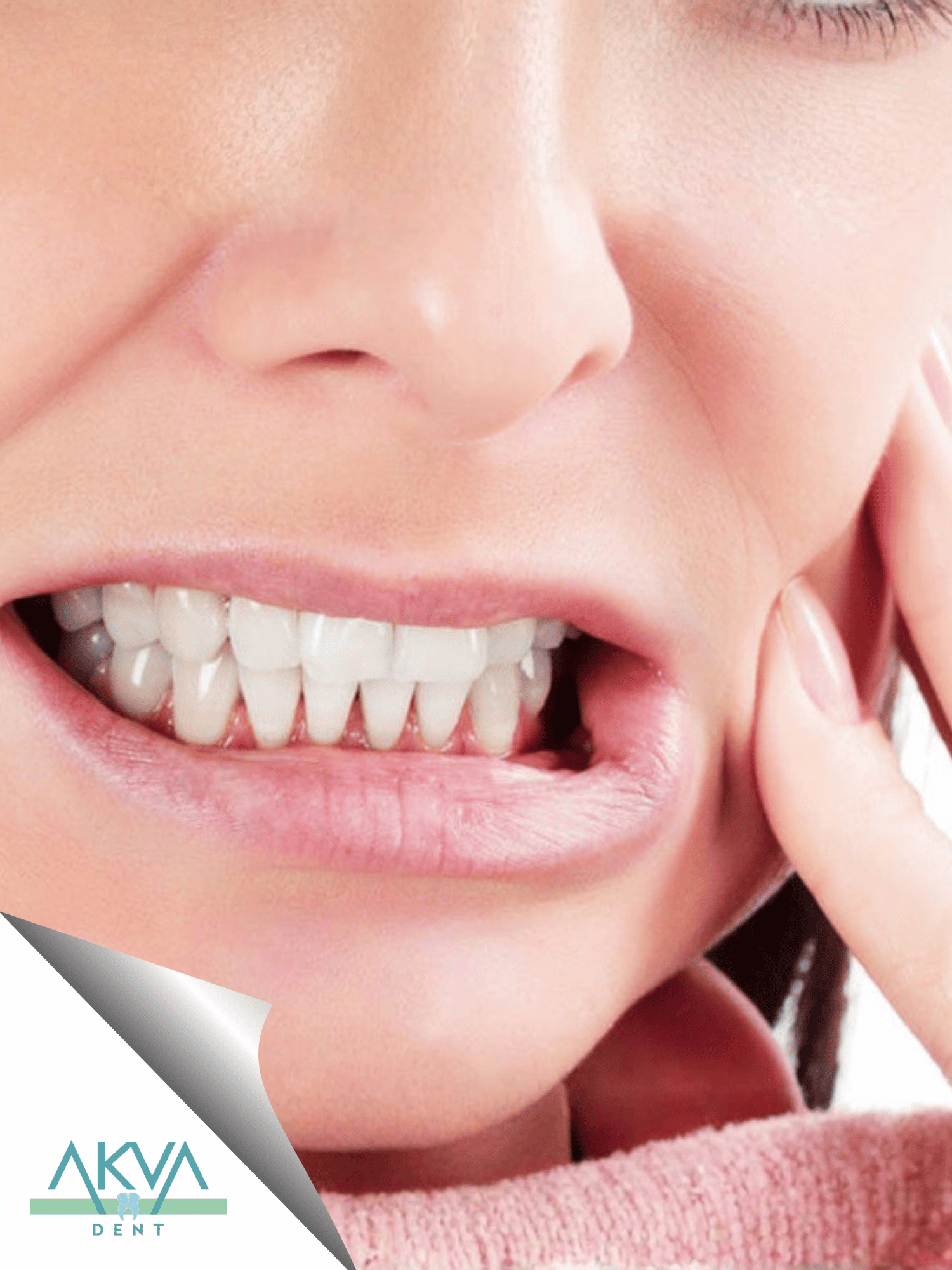
Yes, teeth grinding often strains the jaw muscles and temporomandibular joint (TMJ), leading to tension headaches or facial pain. This is especially common after long periods of night-time grinding.
Does a night guard completely stop bruxism?
A night guard does not stop bruxism but protects teeth from wear and reduces pressure on the jaw. It is a preventive measure to minimize damage rather than a cure for the habit itself.
Can bruxism damage the jaw joint (TMJ)?
Chronic bruxism can overload the TMJ, causing pain, clicking, or limited jaw movement. Early intervention helps prevent long-term joint issues and maintains oral function.
Is stress the main cause of teeth grinding?
Stress is one of the most common triggers for bruxism, but other factors like misaligned teeth, sleep disorders, or medications can contribute. Addressing both lifestyle and dental factors improves outcomes.
Can bruxism damage fillings or veneers?
Yes, teeth grinding can crack, chip, or wear down dental restorations including fillings, crowns, and veneers. Protecting teeth with a custom night guard is often recommended.
Is daytime clenching considered bruxism?
Yes, bruxism can occur both during the day and night. Daytime clenching is usually linked to stress or concentration, while night grinding is more involuntary and occurs during sleep.
How does botox help with teeth grinding?
Botox injections relax the jaw muscles, reducing the force of grinding. It can be particularly effective for severe bruxism that causes muscle pain or damage to teeth and restorations.
How long does it take to adapt to removable dentures?
Adapting to removable dentures usually takes a few weeks as the mouth adjusts to the new appliance. Initially, speaking, chewing, and swallowing may feel different, but regular use gradually improves comfort and functionality.
Do dentures affect speech?
Yes, dentures can temporarily affect speech, especially when pronouncing certain sounds. With practice and proper fit, most patients regain normal speech within a few weeks.
What is the correct cleaning routine for dental prostheses?
Dentures should be cleaned daily using a soft brush and non-abrasive cleanser. They should be rinsed after meals, soaked overnight in a denture solution, and stored properly to prevent warping or bacterial buildup.
How can denture sores be relieved?
Denture sores are usually caused by poor fit or pressure points. Relief can be achieved by adjusting the dentures, using protective gels, and maintaining proper hygiene. Regular dental check-ups help prevent recurrence.
What is the difference between implant-supported and traditional dentures?
Implant-supported dentures are anchored to dental implants, providing more stability and improved chewing efficiency. Traditional dentures rest on the gums and may shift, requiring adhesives for added security.
How can bad breath be prevented when using dentures?
Bad breath can be prevented by thoroughly cleaning dentures daily, removing them at night, and cleaning the mouth and tongue. Proper hydration and regular dental visits also help maintain fresh breath.
Is it safe to sleep with dentures in?
It is generally recommended to remove dentures while sleeping to allow gum tissues to rest and reduce the risk of infections or irritation. Sleeping with dentures occasionally is not harmful but should not become a daily habit.
How is impacted tooth surgery performed?
Impacted tooth surgery involves making a small incision in the gum to expose the tooth, followed by careful removal or sectioning if necessary. The procedure is done under local or general anesthesia, ensuring patient comfort and minimizing trauma to surrounding tissues.
How long does swelling last after jaw surgery?
Swelling typically peaks within 48 to 72 hours and gradually decreases over one to two weeks. Applying ice packs initially and following post-operative care instructions helps reduce discomfort and accelerate recovery.
What are the common symptoms of TMJ disorders?
TMJ disorders often cause jaw pain, clicking or popping sounds, headaches, and difficulty opening or closing the mouth. Some patients may also experience ear discomfort or facial stiffness.
How are jaw fractures treated?
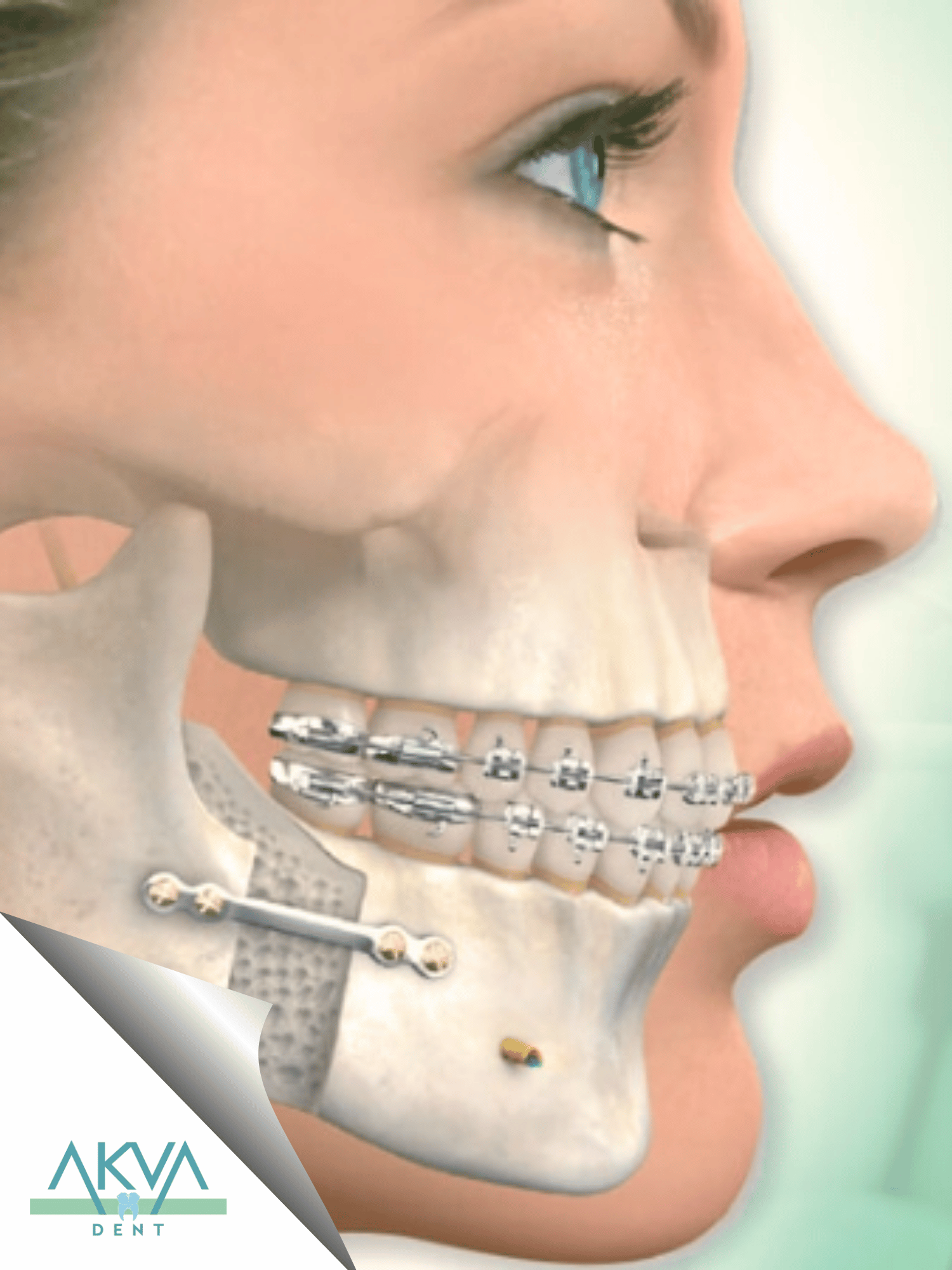
Jaw fractures are treated by aligning the bone fragments and stabilizing them with plates, screws, or wires. Depending on the severity, treatment may involve surgery or immobilization with a jaw splint to allow proper healing.
Can the jawbone be damaged during tooth extraction?
Although rare, the jawbone can be accidentally affected during complex extractions. Skilled surgical techniques minimize this risk, and proper post-operative care ensures optimal healing.
What dietary changes are needed after jaw surgery?
Soft or liquid foods are recommended immediately after surgery to avoid stressing the jaw. Gradually, a normal diet can be resumed as healing progresses, while avoiding hard, sticky, or crunchy foods that could disrupt recovery.
When does jaw misalignment require surgical correction?
Severe malocclusion or misalignment that affects chewing, speech, or facial symmetry may require corrective jaw surgery. Orthodontic consultation and imaging help determine whether surgery is necessary for optimal function and aesthetics.
How can dental anxiety in children be managed?
Dental anxiety in children can be managed with patient, gentle communication, distraction techniques, and positive reinforcement. Creating a friendly, non-threatening environment and using child-friendly explanations helps build trust and reduce fear during visits.
Are irregular tooth eruption patterns normal in children?
Yes, variations in tooth eruption timing and sequence are common. Each child’s development is unique, and occasional delays or asymmetries are usually normal unless accompanied by other dental or medical concerns.
Why do cavities progress faster in children?
Children’s teeth have thinner enamel and softer dentin, making them more susceptible to rapid decay. Poor oral hygiene, high sugar intake, and infrequent dental check-ups further accelerate cavity progression.
When is baby tooth extraction necessary?
Extraction is necessary if a baby tooth is severely decayed, infected, or obstructing permanent tooth eruption. Early removal can prevent pain, infection, and alignment issues in the developing dentition.
How can baby bottle tooth decay be prevented?
Avoid prolonged exposure to sugary drinks and encourage drinking water before bedtime. Cleaning gums and teeth regularly and introducing a balanced diet helps maintain healthy teeth and prevent early decay.
Is fluoride treatment safe for children?
Yes, professional fluoride treatments are safe and effective when applied in recommended doses. They strengthen enamel, reduce sensitivity, and significantly lower the risk of cavities in both baby and permanent teeth.
How can discomfort during teething be relieved?
Discomfort can be relieved with chilled teething rings, gentle gum massage, and age-appropriate pain relief as advised by a dentist. Consistent comfort measures help soothe irritability while promoting healthy tooth eruption.
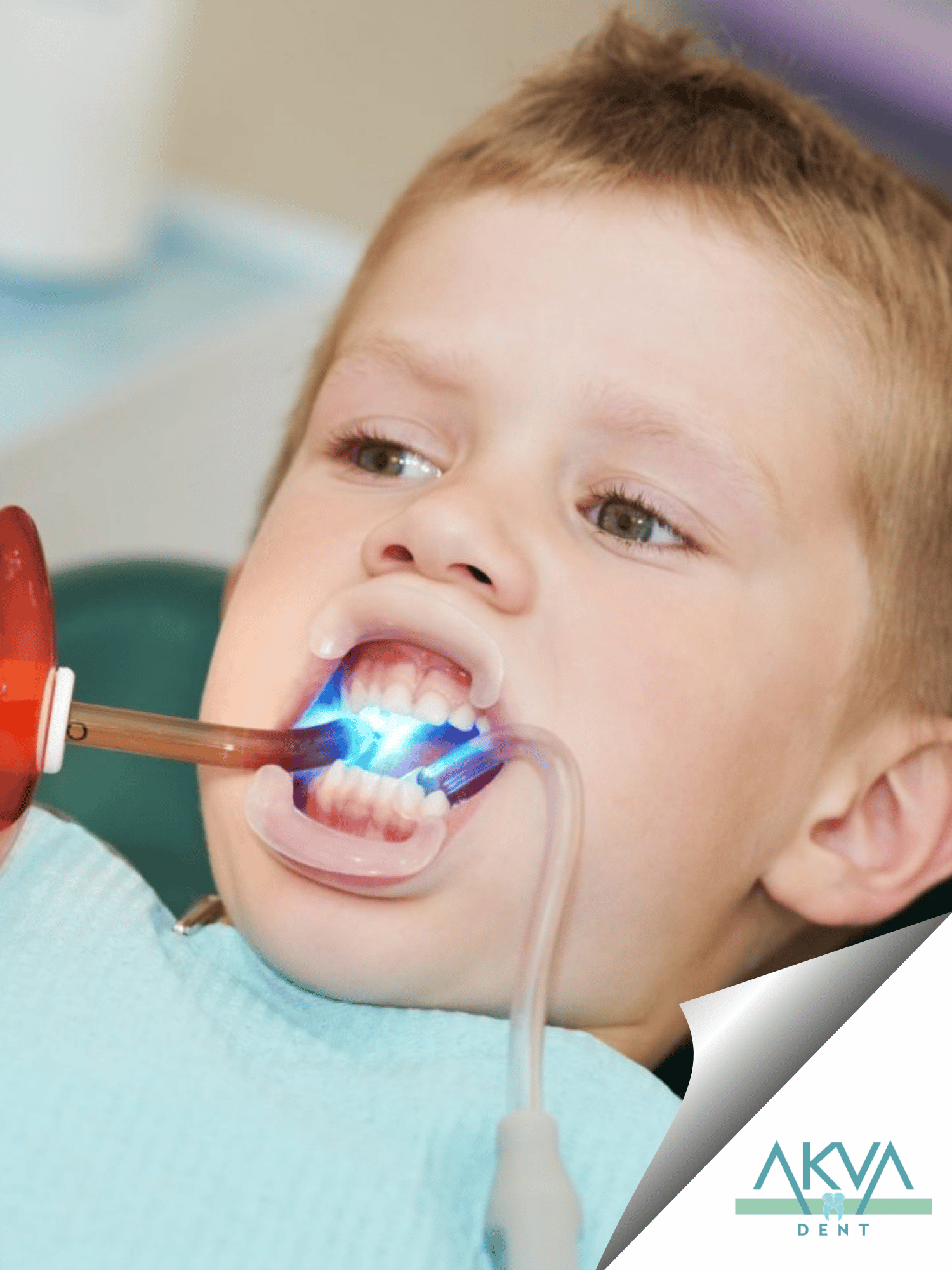
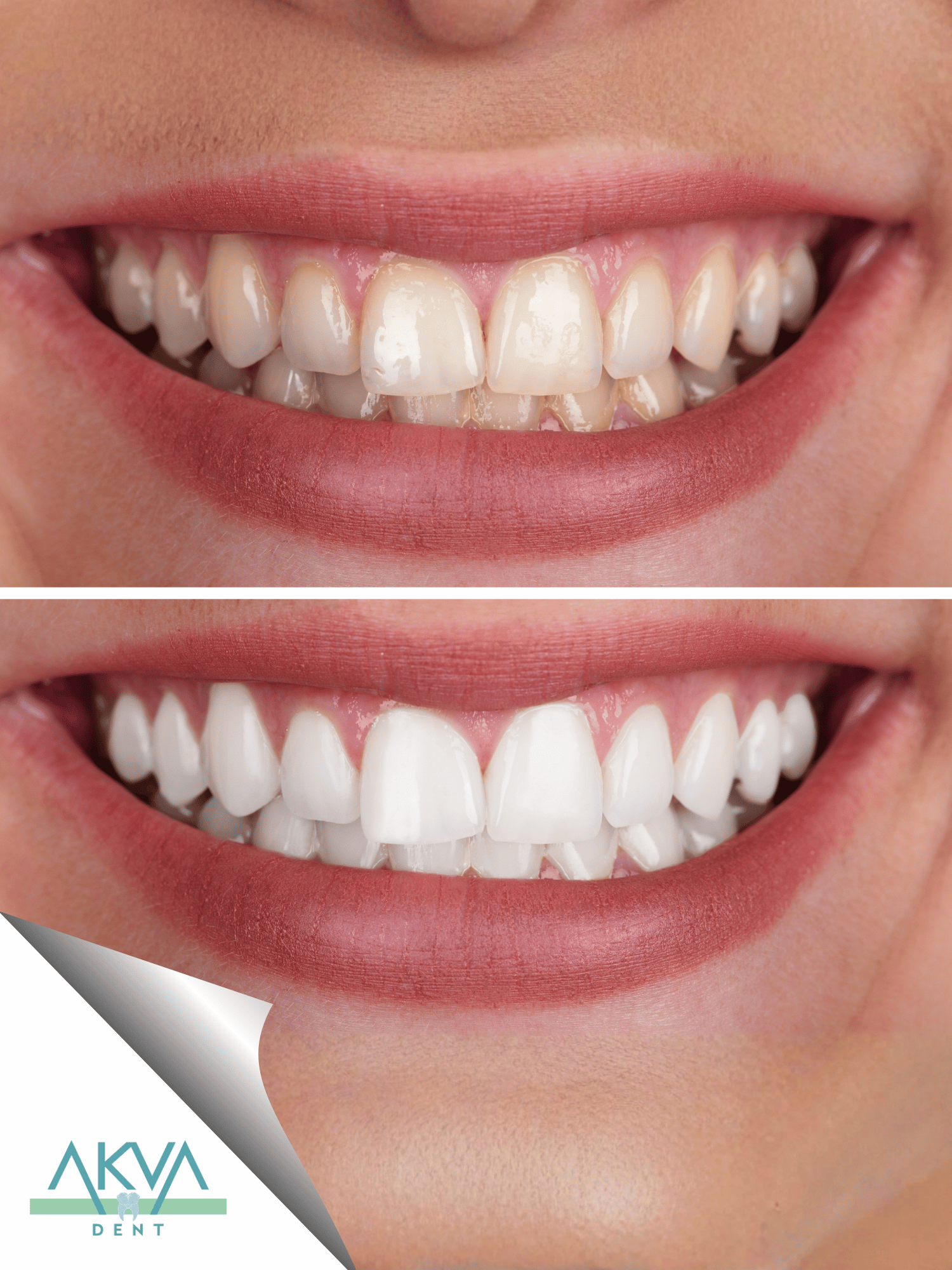
Is tooth sensitivity normal after whitening?
Yes, mild tooth sensitivity is normal after whitening because the enamel’s pores temporarily open during the process. This sensitivity usually subsides within 24–48 hours and can be managed with desensitizing toothpaste or fluoride gel.
What is the difference between at-home and in-office whitening?
In-office whitening uses stronger, professionally applied whitening agents for faster and more predictable results. At-home whitening involves custom trays and lower-concentration gels, offering gradual results with more flexibility.
Does teeth whitening damage enamel?
No, professionally supervised whitening does not damage enamel. The whitening gels break down stains without altering tooth structure when used correctly and within recommended guidelines.
Which foods and drinks should be avoided after whitening?
Highly pigmented items like coffee, tea, red wine, berries, and colored sauces should be avoided for 24–48 hours. Acidic foods and smoking should also be avoided to maintain the whitening effect.
Is whitening a single tooth possible?
Yes, a single tooth can be whitened, especially if it has darkened due to trauma or previous treatments. Dentists use targeted techniques to match the shade to surrounding teeth.
Is teeth whitening safe during pregnancy?
Whitening is generally not recommended during pregnancy as a precaution, even though no harmful effects have been proven. It is best to postpone cosmetic treatments until after birth.
What can be done to maintain whitening results longer?
Maintaining whitening results involves good oral hygiene, reducing consumption of staining foods, avoiding smoking, and using whitening toothpaste or periodic touch-up treatments as recommended by your dentist.
What is the difference between clear aligners and traditional braces?
Clear aligners are removable, nearly invisible trays that gradually shift teeth, while traditional braces use fixed brackets and wires to guide tooth movement. Aligners offer more comfort and aesthetics, whereas braces can be more effective for complex cases.
Does getting braces hurt?
Braces do not typically hurt during placement, but mild soreness may occur for a few days as the teeth begin moving. This temporary discomfort can be managed with over-the-counter pain relievers and softer foods.
How many hours per day should aligners be worn?
Aligners should be worn for 20–22 hours a day to ensure proper tooth movement. They should only be removed for eating, drinking anything other than water, and brushing routines.
Do braces affect speech?
Braces may cause slight speech adjustments—particularly with “s” and “sh” sounds—during the first few days. Most patients adapt quickly as the tongue learns to reposition around the brackets.
Why is retention required after orthodontic treatment?
Retention is necessary to keep teeth from shifting back to their original positions after braces or aligners. Retainers maintain the new alignment while supporting the stabilization of surrounding bone and tissues.
Can teeth shift again after treatment?
Yes, teeth can shift over time due to natural aging, jaw changes, or lack of retainer use. Wearing retainers as advised significantly reduces the risk of relapse.
Are adults suitable candidates for orthodontic treatment?
Absolutely—adults can receive orthodontic treatment as long as their gums and bone structure are healthy. Modern options like clear aligners and ceramic braces make treatment discreet and comfortable for adult patients.
How is a personalized smile design created?
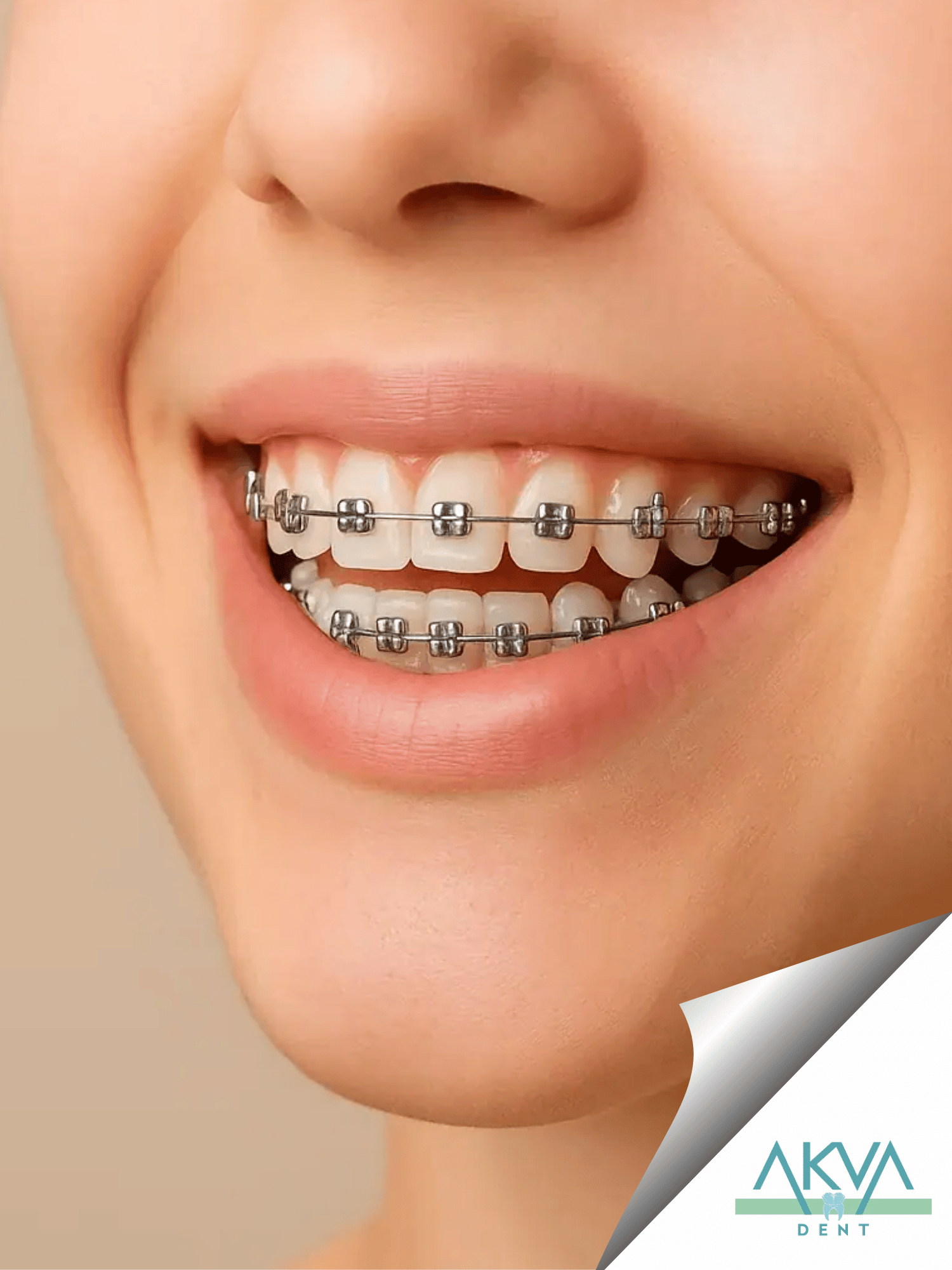
A personalized smile design is created by evaluating facial proportions, tooth shape, gum levels, and the patient’s aesthetic goals. Dentists then plan the ideal harmony between teeth and facial features to achieve a balanced, confident smile.
Can digital smile design show the results in advance?
Yes, digital smile design uses advanced imaging to preview the expected outcome before treatment begins. This allows patients to visualize changes and provide input to ensure the final result matches their expectations.
Which treatments are commonly combined in smile design?
Smile design may include veneers, whitening, orthodontics, gum contouring, or implants depending on the patient’s needs. These treatments work together to improve color, alignment, symmetry, and overall aesthetics.
How does the treatment duration vary from person to person?
Treatment duration depends on the chosen procedures, ranging from a single session for whitening to several months for orthodontics. The dentist customizes the timeline based on individual oral health and aesthetic goals.
How is smile design shaped according to facial features?
Dentists analyze smile symmetry, lip dynamics, jaw structure, and facial contours to design teeth that complement natural proportions. This ensures the final look enhances the patient’s unique facial characteristics.
What defines a natural-looking smile?
A natural-looking smile has balanced tooth proportions, soft transitions, and color tones that match the face. Subtle textures, correct translucency, and natural alignment also contribute to an authentic appearance.
What aftercare steps are needed after smile design?
Aftercare includes proper brushing, regular dental checkups, avoiding excessive biting forces, and maintaining good oral hygiene. The dentist may recommend night guards or follow-up polishing to preserve long-term aesthetics.
Does root canal treatment hurt?
Modern root canal treatment is performed under local anesthesia, so patients typically feel no pain during the procedure. Most people describe the experience as similar to getting a routine filling, with only slight pressure sensations.
Is a root canal–treated tooth more fragile?
A tooth can become slightly more brittle after root canal treatment because the pulp tissue is removed. However, placing a crown or onlay restores strength, protects the tooth from fractures, and ensures long-term durability.
How long does discomfort last after treatment?
Mild tenderness or sensitivity may continue for a few days as surrounding tissues heal. Over-the-counter pain relievers usually help, and most patients return to normal chewing within 48–72 hours.
Why do some teeth require multiple root canal sessions?
Teeth with complex anatomy, severe infections, or lingering bacteria may need additional appointments. Multiple sessions allow the dentist to fully disinfect canals, place medication, and ensure the infection is completely controlled.
Can a previously treated tooth undergo a second root canal?
Yes, a tooth can be retreated if the initial therapy failed or new decay has entered the canal system. Retreatment removes old filling material, cleans the canals again, and resolves remaining infection to save the tooth.
What happens if root canal therapy fails?
If treatment fails, infection can persist, causing pain, swelling, or bone loss around the tooth. Retreatment or apical surgery may be needed to eliminate the infection and prevent further complications.
What happens if a root canal is needed but not done?
Leaving an infected tooth untreated can lead to severe pain, abscess formation, spreading infection, and potential tooth loss. In advanced cases, the infection may spread to nearby tissues, creating serious health risks.

What causes gaps between teeth?
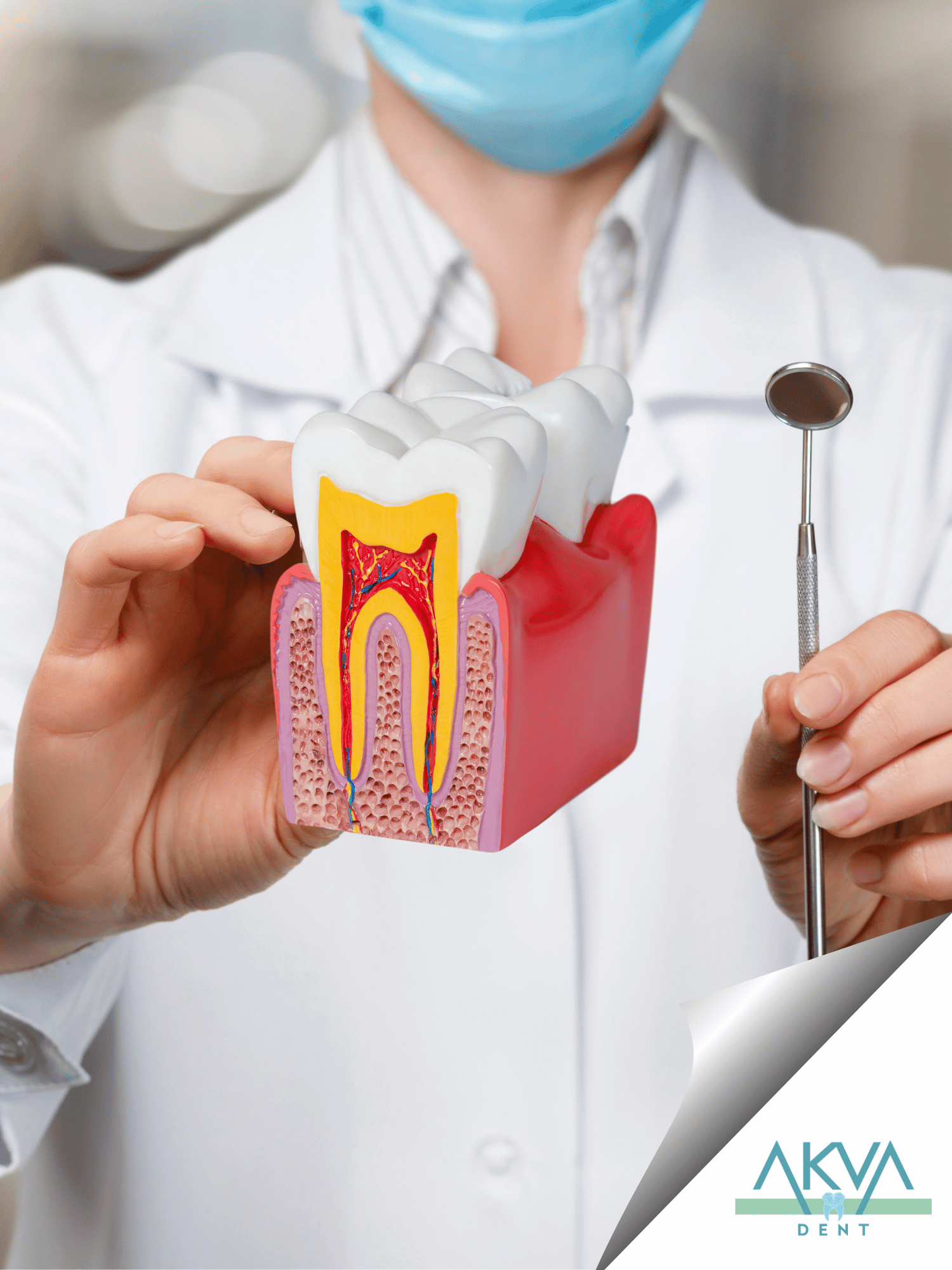
Gaps between teeth, known as diastema, can result from multiple factors such as genetic spacing, mismatched tooth and jaw size, missing teeth, gum disease, or habits like thumb-sucking and tongue thrusting. In some cases, an oversized labial frenum also contributes to spacing by preventing teeth from coming together naturally.
Can orthodontics close diastema effectively?
Yes, orthodontic treatment is one of the most effective long-term solutions for closing gaps. Braces and clear aligners gently move teeth into ideal alignment, ensuring both functional improvement and aesthetic harmony. This method also helps maintain stable results when combined with proper retention.
Is bonding a suitable option for closing gaps?
Composite bonding is a fast, minimally invasive option for closing small to moderate gaps. The dentist applies tooth-colored resin to reshape the edges and create a more uniform appearance. When done correctly, bonding blends naturally with the surrounding teeth and offers an immediate cosmetic enhancement.
Can a tooth gap affect speech?
In some individuals, a noticeable gap—especially between the front teeth—may cause a slight lisp or difficulty pronouncing certain sounds. Correcting the gap can improve speech clarity, though not everyone experiences functional issues related to diastema.
Can gaps reopen after treatment?
Yes, gaps can reopen if the underlying cause is not addressed or if proper retention is not maintained after treatment. Habits like tongue thrusting or not wearing retainers consistently can slowly push teeth apart again over time.
How do veneers help treat diastema?
Porcelain or laminated veneers can effectively close gaps by adding carefully shaped material to the visible tooth surfaces. Veneers provide a highly aesthetic and long-lasting result, making them ideal for patients who want instant cosmetic improvement without orthodontic movement.
Is it always necessary to treat a tooth gap?
No, treatment is not always required unless the gap causes functional issues, affects confidence, or results from gum disease. Some people prefer to keep their natural spacing for personal or cultural reasons. A dental evaluation helps determine whether treatment is beneficial or optional.
Is bad breath always caused by oral issues?
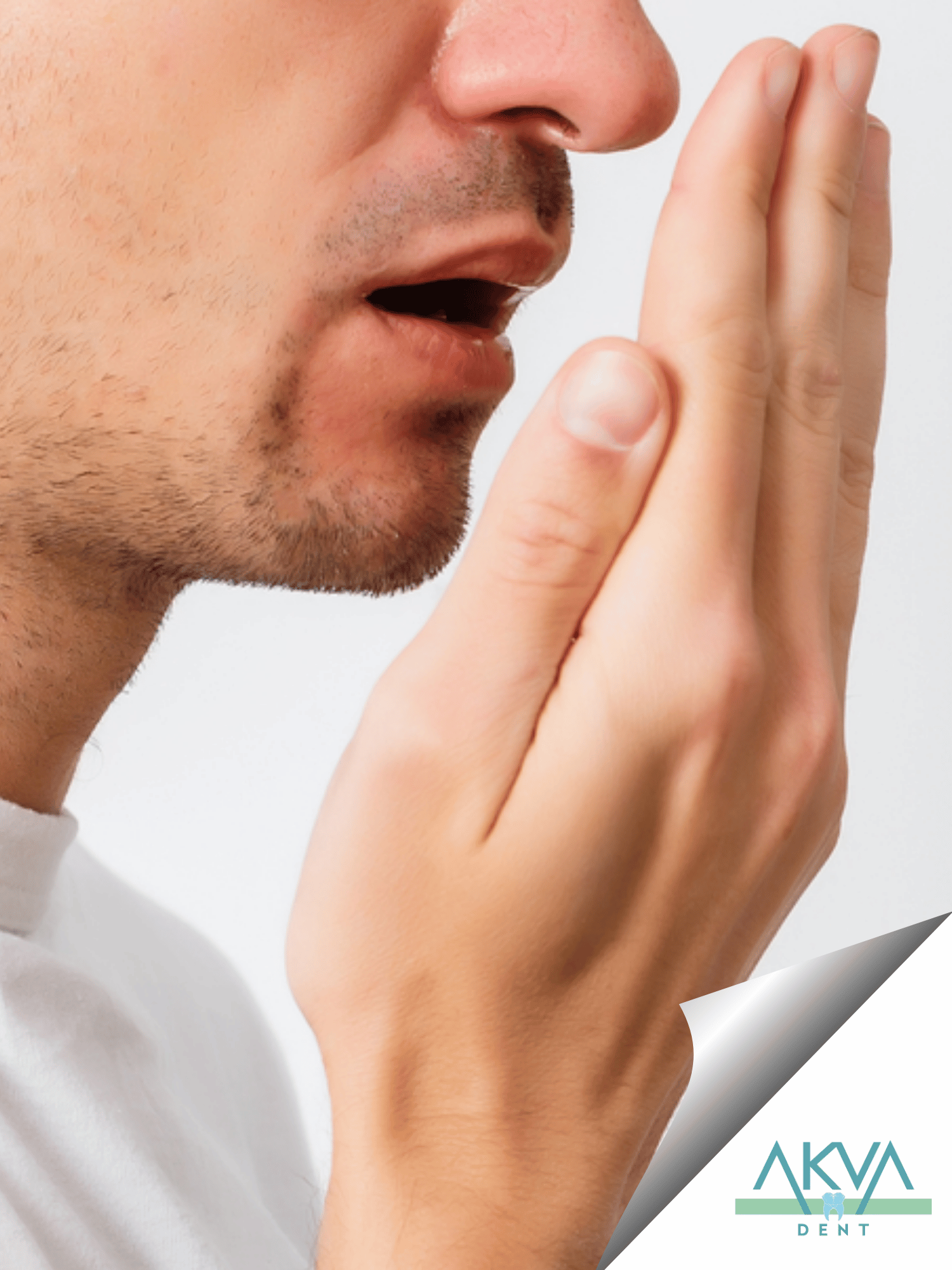
No, bad breath is not always caused by oral issues, although the majority of cases originate from bacteria on the tongue and teeth. Systemic conditions such as diabetes, gastrointestinal disorders, and respiratory infections can also lead to persistent odor. A proper dental and medical evaluation is essential to identify the true cause and determine the right treatment approach.
Does cleaning the tongue help reduce bad breath?
Yes, tongue cleaning is one of the most effective methods to reduce bad breath because most odor-producing bacteria accumulate on the back of the tongue. Regular use of a tongue scraper or brush helps remove this bacterial layer and improves overall oral freshness. Incorporating this step into daily hygiene significantly enhances breath quality.
Can sinus or throat problems cause bad breath?
Yes, sinus infections, postnasal drip, tonsil stones, and chronic throat infections can contribute to bad breath. Mucus accumulation provides an environment where bacteria thrive, creating unpleasant odors. Treating the underlying sinus or throat issue often results in noticeable improvement in breath odor.
How does dry mouth contribute to bad breath?
Dry mouth reduces saliva flow, which is essential for rinsing away food particles and bacteria. When saliva production decreases, odor-causing bacteria multiply more easily, leading to stronger bad breath. Staying hydrated and addressing medical causes of dry mouth help restore balance and reduce symptoms.
How are gum diseases linked to bad breath?
Gum diseases create pockets around the teeth where bacteria accumulate, producing toxins and strong odors. As inflammation progresses, the bacterial load increases, making bad breath more persistent. Treating gum disease, along with proper home care, is crucial for long-term odor control and improved oral health.
Does inadequate water intake worsen bad breath?
Yes, insufficient water intake contributes to dehydration and dry mouth, both of which intensify bad breath. Drinking enough water helps wash away debris, stimulate saliva flow, and dilute odor-causing compounds. Staying well-hydrated supports overall oral hygiene and fresher breath throughout the day.
What steps provide a long-term solution for bad breath?
Long-term solutions include consistent oral hygiene, tongue cleaning, regular dental checkups, and addressing gum disease or cavities. Managing contributing factors such as dry mouth, sinus issues, smoking, and dietary habits is equally important. Establishing a personalized care plan with a dentist ensures lasting improvement and prevents recurrence.
Who is a suitable candidate for general anesthesia?
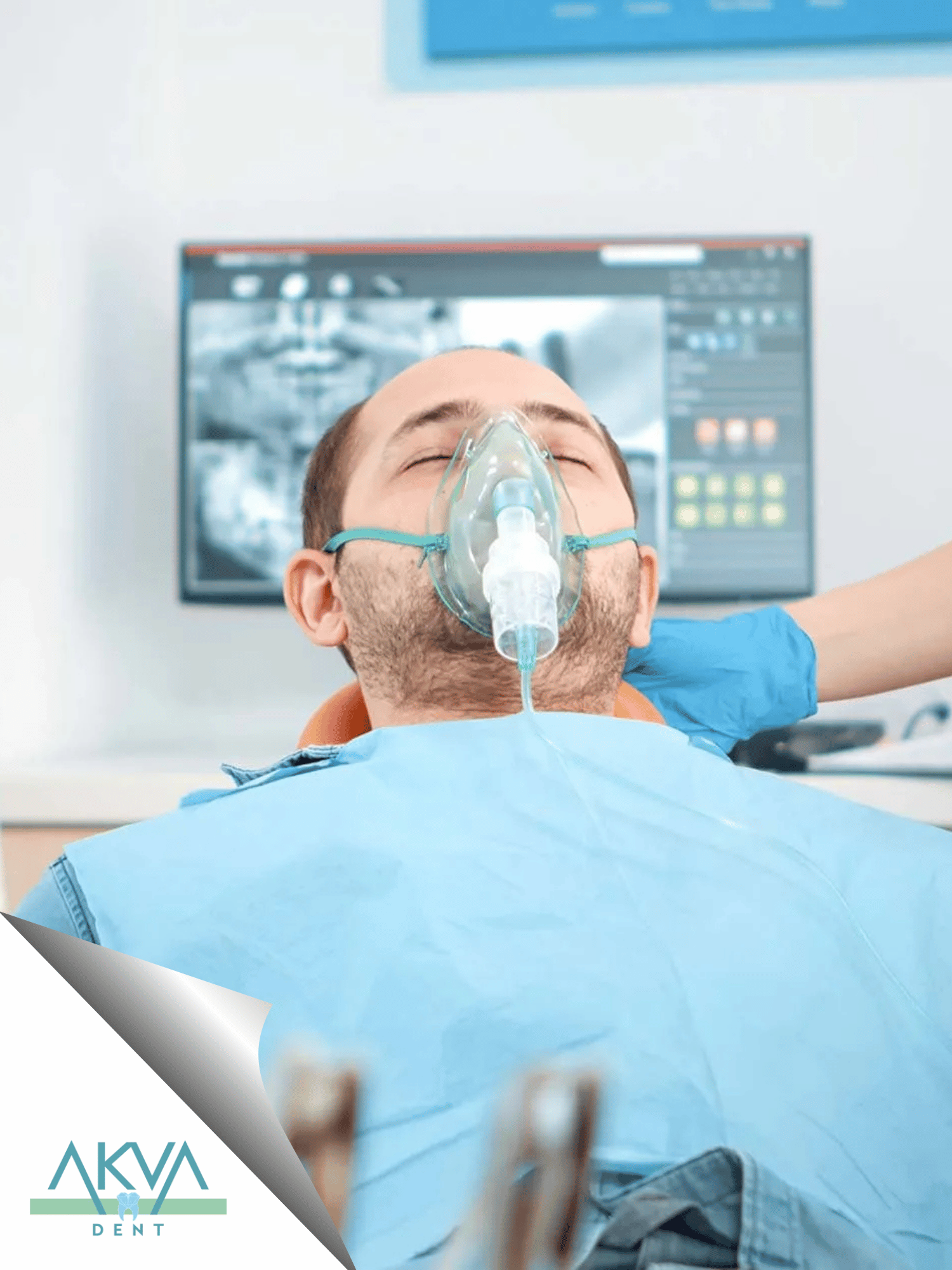
Suitable candidates for general anesthesia in dentistry include patients with severe dental anxiety, individuals who cannot tolerate dental procedures due to strong gag reflexes, or those requiring extensive treatments in a single session. It is also used for patients with special needs who may not be able to cooperate during routine dental care. Children who cannot remain still or have multiple severe cavities may also qualify. A dentist and anesthesiologist jointly evaluate medical history to ensure the patient is an appropriate and safe candidate.
What preparations are required before general anesthesia?
Before dental general anesthesia, patients undergo a detailed medical assessment, including medical history, current medications, allergies, and any underlying conditions. Fasting is typically required for several hours to prevent complications during the procedure. Blood tests or other evaluations may be requested depending on the patient’s health status. Clear instructions regarding medication use, hydration, and pre-procedure care are provided to ensure safety and smooth anesthesia induction.
Is consciousness completely lost during general anesthesia?
Yes, during dental general anesthesia, consciousness is completely lost, meaning the patient is fully asleep and unaware of the procedure. This allows complex, lengthy, or uncomfortable dental treatments to be performed safely and efficiently. The anesthesiologist monitors vital signs throughout to maintain stable anesthesia levels. Once the treatment is completed, anesthesia is gradually reduced, and the patient slowly regains awareness.
What are the possible risks of general anesthesia?
Although generally safe when performed by trained professionals, general anesthesia carries potential risks such as nausea, dizziness, sore throat, or temporary confusion after waking. Rare complications may include allergic reactions or issues related to underlying medical conditions. Careful preoperative evaluation and continuous monitoring significantly reduce these risks. Dental teams prioritize patient safety by customizing anesthesia plans according to individual health needs.
What is the recovery process like after anesthesia?
Recovery begins in the postoperative area, where patients are monitored until they regain full alertness and stable vital signs. Mild effects such as grogginess, fatigue, or slight nausea can occur but usually fade within a few hours. Patients are advised to rest, avoid driving, and follow specific post-treatment instructions. For children, temporary irritability or sleepiness is common and resolves quickly with proper care and hydration.
Is general anesthesia safe for children?
Yes, general anesthesia is considered safe for children when administered by experienced anesthesiologists in a controlled dental environment. It is especially useful for children with extensive tooth decay, strong anxiety, or difficulty staying still. Careful dosing, monitoring, and child-focused protocols ensure safety throughout the process. Parents receive clear instructions before and after the procedure to support smooth recovery.
For which dental procedures is general anesthesia preferred?
General anesthesia is preferred for extensive treatments such as full-mouth restorations, surgical extractions, impacted tooth removal, and complex gum or jaw procedures. It is also used when multiple treatments need to be completed in one session, reducing repeated visits. For patients with severe dental fear or special needs, general anesthesia enables safe and efficient completion of necessary dental care.
Smile
Hello, if you want to get information about our treatment options, please contact us immediately. Let us set up your free examination appointment.